






















Opening This Fall at the Museum of Fine Arts Houston

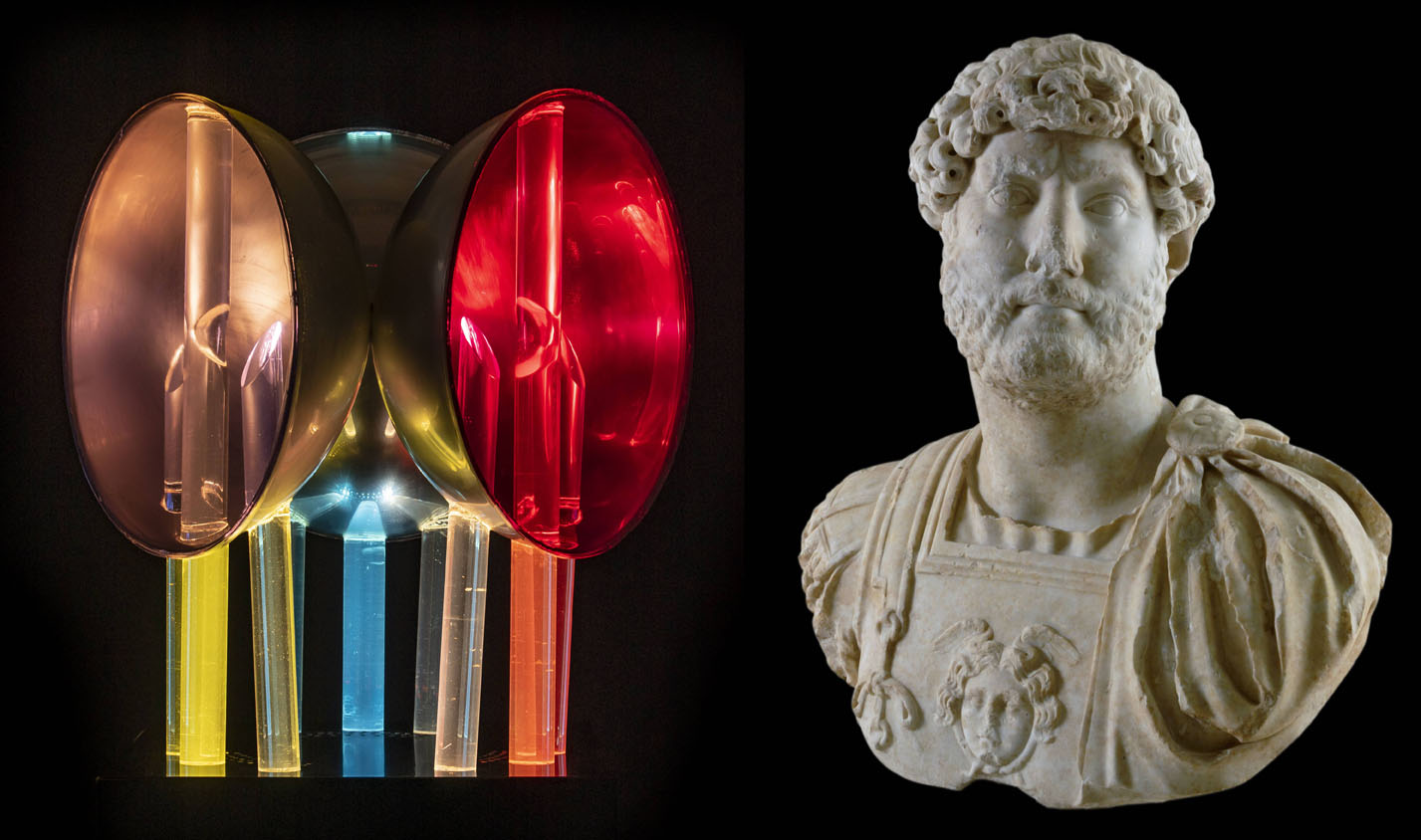

![11 Kosice, Hábitat hidroespacial, maqueta A (Hydrospatial Habitat, Model A) [detail] from La Ciudad Hidroespacial (The Hydrospatial City), 1969](https://www.intownmag.com/wp-content/uploads/2025/10/11_Kosice-Habitat-hidroespacial-maqueta-A-Hydrospatial-Habitat-Model-A-detail-from-La-Ciudad-Hidroespacial-The-Hydrospatial-City-1969-300x225.jpg "11 Kosice, Hábitat hidroespacial, maqueta A (Hydrospatial Habitat, Model A) [detail] from La Ciudad Hidroespacial (The Hydrospatial City), 1969")
Gyula Kosice: Intergalactic – A large-scale tribute to the work of this 20th-century Argentine experimental artist, sculptor, poet and theorist, this is the first complete survey of the work of Gyula Kosice (1924-2016) presented outside the Hungarian artist’s adopted homeland of Argentina. The exhibition explores Kosice’s abiding focus on social inequities and the environment, through more than 70 two-dimensional works and kinetic sculptures made of acrylic materials, air pumps, water, light components and neon gas tubes. The centerpiece of the exhibition is Kosice’s most ambitious work, The Hydrospatial City (1946–2004), from the MFAH collection. An experimental, room-size installation of suspended plastic habitation pods, Kosice’s The Hydrospatial City imagines living beyond Earth. On view October 26, 2025 through January 25, 2026.
Art and Life in Imperial Rome: Trajan and His Times – The Museum of Fine Arts, Houston will debut in November an exhibition that will bring unprecedented loans to the U.S. from the renowned antiquities collections of Italian museums. Art and Life in Imperial Rome: Trajan and His Times will bring to life the extraordinary reign of Trajan, who ruled the Roman empire at its height; it is the first major exhibition in the U.S. dedicated to Trajan and his era. The exhibition will explore how art was used during Trajan’s era: privately, in the houses of the elite, and publicly, in the forums and public buildings as propaganda to promote the empire’s values as it was expanded to its greatest extent. The objects on view will tell the many stories – cultural, social, political, and economic – of life in imperial Rome. It will be on view in Houston November 2, 2025 through January 25, 2026.